
IP & Brand Protection
How should a tech startup protect its trademark and brand?
Published
Protect a startup brand in three layers: own it on paper, register it, then watch for copies. Charlotte Corporate Counsel handles the ownership layer for startups and growth-stage technology companies: IP ownership agreements, licensing, and brand terms in your contracts. Patent work, including provisional patents, needs a patent attorney or agent registered with the USPTO.
Ownership first
Who actually owns your startup's name, logo, and code?
Your company owns its brand and product only if everyone who created them signed a written IP assignment to the company. That includes the co-founder who named the product, the freelancer who drew the logo, and the contractor who wrote the backend. Without the paper, ownership can sit with the person, not the company. A trademark filing does not change that.
This is the layer Charlotte Corporate Counsel handles, under IP & Brand Protection and Contractor & Workforce. Charlotte drafts IP ownership agreements, independent contractor agreements, employee covenants, and confidentiality agreements, so the paper says the company owns what it creates.
What it costs to skip this
The question usually arrives in diligence: an investor or buyer asks who owns the code and the brand, and a contractor worked on a handshake. You then negotiate a back-dated assignment with someone who knows your round can't close without their signature, on the investor's clock.
Search & Registration
How do you register a trademark for a SaaS brand?
Registering a trademark starts with a clearance search, then a federal application with the USPTO for the goods and services you actually sell. The search comes first because a name that conflicts with an existing mark can be refused, or challenged after you have printed it on everything. For a SaaS product, the application typically covers software and the online services you deliver with it.
- Search before you spend. Check registered marks and names already in use in your market before you buy the domain and the swag.
- File for what you sell. Describe the goods and services accurately; an application that is too broad or too narrow causes problems later.
- Use the right symbol. ™ works on any mark you claim. ® is for marks the USPTO has registered.
A registration is only as strong as the paper around it. Charlotte Corporate Counsel's IP & Brand Protection work covers that paper: the ownership agreements that put the mark in the company's name, and the licensing and affiliate arrangements that say who else may use it.
Self-Assessment
Is your startup's brand protected? Five questions to answer before you register.
A founder can answer these five questions in ten minutes, and each "no" points to a specific document or filing. Bring your answers to an introduction call with Charlotte Corporate Counsel and it starts with specifics.
- 01
Did everyone who built it sign an IP assignment?
Founders, employees, and contractors who touched the name, logo, or code, each with a written assignment to the company.
- 02
Has anyone searched for similar marks?
A clearance search in your market, done before you committed money to the name.
- 03
Is the name registered for what you sell?
A USPTO registration, or a pending application, that covers the goods and services you actually offer today.
- 04
Do your contracts control use of your brand?
Customer, reseller, and affiliate agreements that say who may use your name and logo, how, and when that right ends.
- 05
Would you notice a copycat?
A routine for spotting confusingly similar names in app stores, search results, and new trademark filings.
If you answered no to question 1, start there. A registration held by a company that cannot prove it owns the brand is a weak asset in diligence.
A registration protects the name. An assignment proves you own it.
Startups usually get the first and skip the second. Charlotte Corporate Counsel papers ownership on a fixed-scope proposal, so you know what it costs before any work begins.
Monitoring & Enforcement
Someone copied our product name. What do we do now?
Start by documenting the copy and your own first use, then decide whether a cease-and-desist letter is the right first move. A clear letter can settle a dispute before anyone pays for a lawsuit. The strength of your position depends on three facts: who used the name first, in what market, and whether your mark is registered.
- Capture the evidenceScreenshots, dates, and the markets where the other name appears, next to the date you first used yours.
- Check your paperConfirm the company owns the mark and look at the registration status. This is often where the gap in question 1 shows up.
- Send a measured letterA cease-and-desist states your rights and asks for a specific change by a specific date.
- Escalate only if it paysIf the other side refuses, weigh the cost of litigation against what the name is worth to your revenue.
Read that last decision the way a CFO would: what the dispute costs, against what the brand earns. A dispute that goes to court needs a litigation firm.
Scope & Referrals
What Charlotte handles, and what goes to a patent or litigation specialist.
Charlotte Corporate Counsel covers the contracts that make a startup's brand and code its own. Patent prosecution requires registration with the USPTO patent bar, and court disputes require a litigation practice, so those go to specialists. Six kinds of brand and IP work line up against who handles each one.
| The work | Who handles it | Why |
|---|---|---|
| IP assignment from founders, employees, and contractors | Charlotte | Proves the company owns its code, brand, and models before a buyer or investor asks. |
| IP ownership and licensing agreements | Charlotte | Lets you license your brand and technology out on terms you set. |
| Brand terms in customer, reseller, collaboration, and affiliate agreements | Charlotte | Controls who may use your name and logo, and when that right ends. |
| Confidentiality for inventions you have not filed | Charlotte | Keeps an unfiled invention private until a patent attorney files it. |
| Provisional and full patent applications | Registered patent attorney or agent | Only practitioners registered with the USPTO can prosecute patents for others. |
| Trademark or patent litigation | Litigation firm | Court disputes need a litigation practice. |
Sources: Charlotte Corporate Counsel services.
Honest Comparison
When is a firm with a patent bench the better fit?
If your next step is a patent filing, choose a firm with patent practitioners in-house. Charlotte Corporate Counsel fits when the work is the contracts around your brand and product: ownership, licensing, and the SaaS deals that carry your name.
A firm with a patent bench
Registered patent practitioners on staff, who can file and prosecute your applications at the USPTO.
Choose it when a patent filing is the next thing on your list.
A firm with a litigation practice
Trial lawyers who can take a trademark or patent dispute to court when a letter doesn't settle it.
Choose it when the other side has refused and the name is worth the fight.
Charlotte Corporate Counsel
A finance-trained, Georgia-licensed attorney who drafts your IP ownership agreements, licenses, and SaaS agreements.
Choose it when the brand risk lives in your contracts, and you want a fixed-scope proposal before any work begins.
About
One attorney on your brand, start to finish.
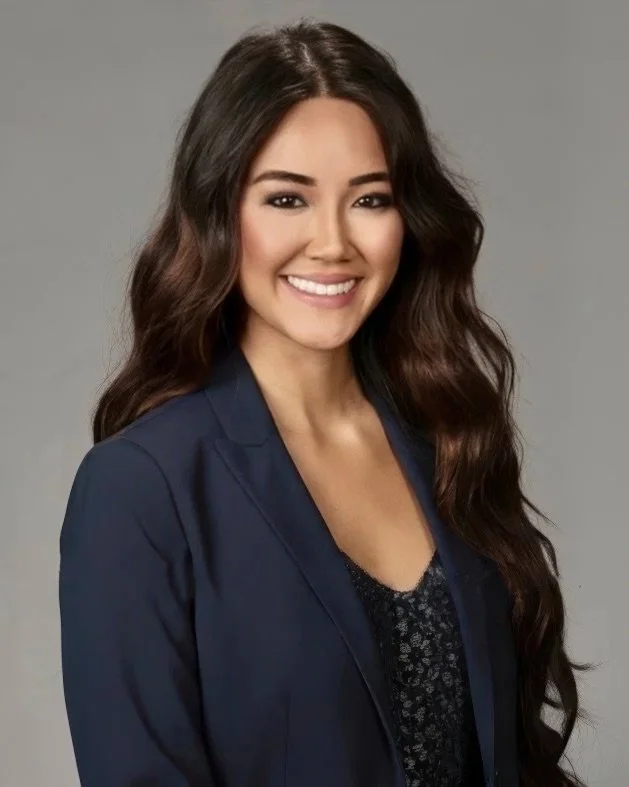
Charlotte Lynn Luu is a Georgia-licensed attorney focused on contract negotiation and risk management for startups and growth-stage technology companies. Before launching her own practice, Charlotte practiced at large established firms: Baker Hostetler, Baker Donelson, and Kutak Rock.
She earned a B.B.A. in Economics at the University of Georgia before her J.D., so IP terms come back with a view on what they cost the business. Every engagement starts with a fixed-scope proposal, before any work begins.
Questions
What founders ask about trademarks and patents.
Five short answers on filing, symbols, ownership, and cost, from Charlotte Corporate Counsel.
Who can file a provisional patent for a machine learning startup in Georgia?
A provisional patent application is filed by the inventor or by a patent attorney or agent registered with the USPTO. Before that filing, Charlotte Corporate Counsel drafts the IP assignments and confidentiality terms that make sure the company, not a contractor, owns the invention being filed.
Does a trademark attorney for a SaaS startup need to be in Atlanta?
No. Federal trademark registration runs through the USPTO, and any attorney licensed in a US state can represent you there. For a SaaS startup, what matters more is that the brand's ownership, licensing, and contract terms are clean.
What is the difference between ™ and ®?
You can put ™ on any name or logo you claim as a trademark, registered or not. The ® symbol is only for marks registered with the USPTO, and using it on an unregistered mark is improper.
Does registering a trademark prove my company owns the brand?
Registration is strong evidence, but it sits on top of ownership. If a founder or contractor created the name, logo, or code without a written assignment, diligence will still ask who owns it. Charlotte Corporate Counsel drafts the IP assignment and ownership agreements that close that gap.
What does brand protection work cost with Charlotte Corporate Counsel?
Every engagement is fixed-scope: you get a written proposal with the price before any work begins. The introduction call is short, with no charge and no obligation.
Next Step
Find out who owns your brand before diligence does.
Tell me a little about what you've built and who built it. I'll follow up to set up an intro call, no charge and no obligation.